

Move smarter · Train steadily · Keep going
A coach that removes
the excuse.
Running, swimming, mobility — Cadence reads the forecast and your calendar overnight and moves the session before you're awake to argue with it.
Smart scheduling
Weather aware
Audio coaching
Soreness check
Travel ready
Pep talks
Build a plan for:
Running, swimming, mobility, or simply moving more. Cadence sets the week around your calendar and adjusts it as the days actually go.



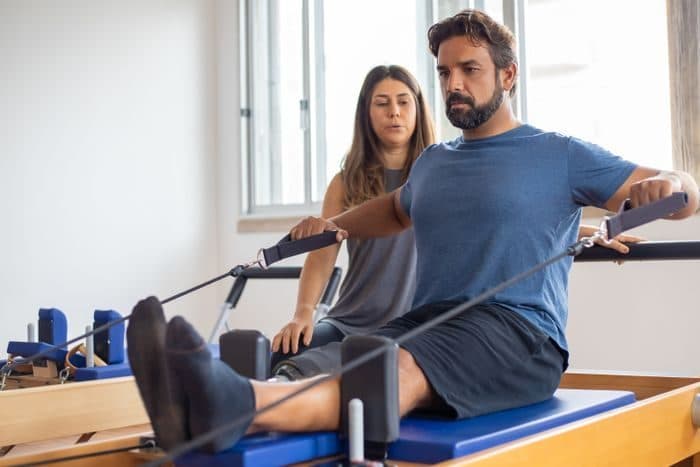
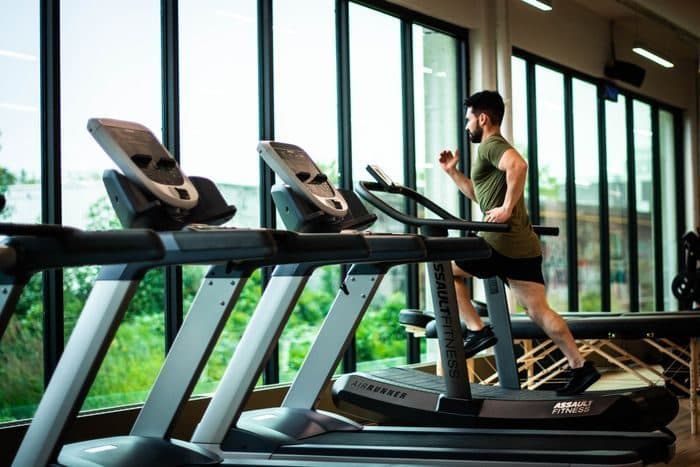
A coach that reads the forecast and your calendar overnight, moves the session before you can talk yourself out of it, and eases off the moment your body says enough.
The Guardian
Flag the same joint twice in a row and the hard work comes out automatically — it doesn't ask whether you'd like to take it easy.

Routines target the joint you actually flagged — banded knee extensions for knees, calf lowers for calves.
Every movement traces back to a complaint you actually made.
Session moved to 06:00 — the last clear hour
Weather that moves the plan
Too hot at seven? Cadence finds the nearest genuinely clear window and shifts the session into it — never 3am, never a token gesture.
How it works: four steps, then it runs itself
Tell it your goal
What you're training, days a week, the time you'd rather move. Thirty seconds.
It sets the week
Built around your calendar, stepping up for three weeks then backing off.
It adapts each morning
Forecast checked, conflicts resolved, the session moved before you wake.
It checks in after
One five-second check-in decides whether tomorrow is training or recovery.
Target cadence
168spm
That's about
10,080steps/hr
Find the rhythm that suits your stride.
A low step rate often goes with longer strides, where your foot lands further out in front of you. Many runners find shorter, quicker steps at the same speed feel lighter. Try small changes and see what suits you.
Turn your sound on
0h
of forecast checked before every session
0
joints tracked in a five-second check-in
0
flagged sessions before the impact work stops
0
hours of the day searched for a clear window, 5am to 9pm
The honest answers
Is this only for runners?
No. Running, swimming, yoga and plain daily movement all work the same way: you tell it what you're training, it builds the week around your calendar and eases off when something hurts. The cadence metronome is a running tool — the rest is not.
What actually decides to pause my training?
A rule, not a language model. Flag a joint as tight on two consecutive sessions, or as painful once, and the high-impact work is replaced with mobility aimed at that joint. It fires identically every time and the Guardian page shows you exactly why.
Do I need a watch or a chest strap?
No. Scheduling, weather adaptation, the metronome and the Guardian all run from your phone's browser. There's nothing to pair and no heart-rate requirement.
How does it know the weather where I am?
It asks for your location, then reads an hourly forecast from Open-Meteo. If your planned hour is too hot, wet or windy for the tolerance you set, it finds the nearest genuinely clear window between 5am and 9pm.
Does it work offline?
Partly. Once a page is open, your plan, the metronome and the Guardian keep working without signal, and the pep talk can use your phone's voice. Opening the app from scratch and the forecast need a connection.
Is this medical advice?
No. The Guardian applies a training-load rule and nothing more. It cannot diagnose anything and it is not a substitute for seeing a physiotherapist about pain that persists.

Tomorrow's session is already decided.
Set your goal tonight. The forecast is read, the calendar is checked, the time is set — all that's left is the part only you can do.
Billed through your mobile operator.